Categories
Communication Skills Health & Wellness

Hearing Aids Improve Speech Clarity and Communication Skills

Mastering the Fundamental Components of Speech Clarity

Identifying the Essential Elements of Speech Clarity

Speech clarity is a vital aspect of effective communication, emphasising the distinction and understandability of spoken language. It goes beyond merely perceiving sounds; it encompasses grasping the message being shared. Key factors that enhance the clarity of speech include articulation, appropriate intonation, and a distraction-free environment. For individuals with hearing impairments, the ability to make sense of these sounds can greatly influence their daily interactions and overall quality of life. Pursuing optimal speech clarity fosters smoother conversations, enriching both personal connections and professional relationships, and contributing to a more interconnected existence.

Understanding the Importance of Speech Clarity in Everyday Life

The importance of clear speech is significant across various aspects of life, affecting everything from personal relationships to workplace interactions. In social contexts, effective communication builds connections, reduces misunderstandings, and cultivates trust among individuals. For professionals, clarity in speech is essential for delivering impactful presentations, engaging in successful negotiations, and promoting teamwork, ultimately enhancing career opportunities. Articulate speech also boosts an individual’s confidence, making them feel more competent in diverse social situations. The ability to communicate clearly not only facilitates better emotional expression but also contributes to improved mental well-being, underscoring the extensive advantages of speech clarity.

Recognising and Addressing Barriers to Speech Clarity

Various challenges can hinder speech clarity, including background noise, hearing loss, and specific speech disorders. In bustling environments, such as restaurants or busy streets, overwhelming sounds can obscure crucial conversational elements, making it difficult to follow spoken dialogue. With millions affected by hearing loss globally, individuals may struggle with muffled auditory inputs and distorted speech, complicating communication efforts. speech disorders like stuttering or dysarthria can further impair clarity, resulting in frustration for both speakers and listeners. Recognising these challenges is the first step toward implementing effective solutions, such as the use of hearing aids, to enhance communication.

Effective Strategies for Improving Speech Clarity
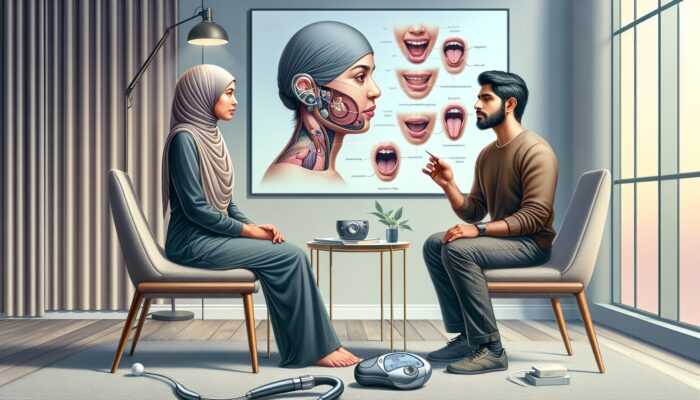
A speech therapist guiding a client in a serene room with articulation diagrams and a hearing aid on a table.

Enhancing speech clarity can be accomplished through various techniques, including articulation exercises, breathing techniques, and structured speech therapy. Articulation exercises specifically address the accurate formation of sounds, significantly improving intelligibility. Breathing methods are crucial for managing the flow of speech, allowing individuals to articulate their thoughts with greater clarity and assurance. professional speech therapy provides customised guidance and exercises tailored to each individual’s unique challenges, empowering them to overcome barriers. When combined with modern technology, such as hearing aids, these strategies can substantially enhance communication effectiveness and clarity.

How Technology Is Revolutionising Speech Clarity

Technological advancements have profoundly transformed the approach to enhancing speech clarity. State-of-the-art hearing aids now feature sophisticated functionalities that improve sound quality, ensuring that conversations remain intelligible even in distracting settings. Tools like speech-to-text software and noise-cancellation technologies enable users to engage fully in discussions, effectively bridging the communication gap caused by hearing impairments or environmental noise. With these innovations, individuals can enjoy a richer auditory experience, enhancing their ability to connect with others and participate meaningfully in both social and professional environments.

Understanding the Functionality of Hearing Aids

Exploring How Hearing Aids Operate
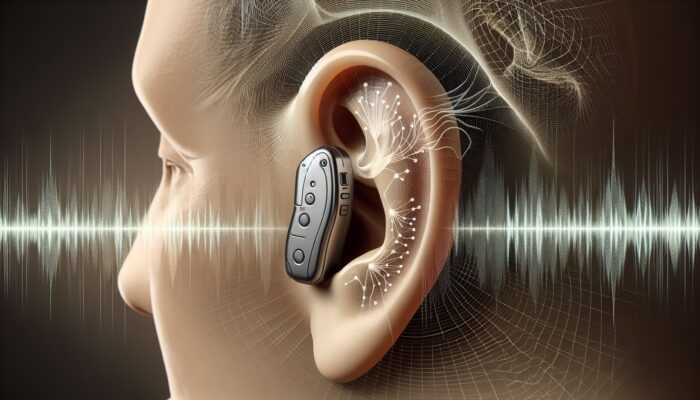
A close-up of a hearing aid capturing and amplifying sound waves for a person's ear.

Hearing aids serve as essential tools for individuals experiencing hearing loss, as they amplify sound to facilitate better comprehension of auditory information. Their primary function involves capturing sound through built-in microphones, converting it into digital signals, and amplifying these signals for delivery to the ear. This amplification process enables users to perceive sounds that may have previously been inaudible, fostering a clearer understanding of speech and enriching their overall auditory experience. The effectiveness of hearing aids can vary based on individual needs and the extent of hearing loss, yet they remain vital instruments for enhancing quality of life.

Exploring Various Types of Hearing Aids to Suit Different Needs

A diverse range of hearing aid models is available, each specifically designed with unique features to meet different user needs and preferences. Behind-the-ear (BTE) models are widely appreciated for their user-friendly design and adaptability. In-the-ear (ITE) aids are custom-fitted, providing a more discreet option, while completely-in-canal (CIC) hearing aids, though less visible, offer a more natural auditory experience. Each type presents its own advantages and disadvantages, allowing users to choose based on comfort, visibility, and amplification needs. Understanding these options is essential for individuals seeking to effectively and comfortably enhance their speech clarity.

The Influence of Technology on Modern Hearing Aids

Contemporary hearing aids utilise digital signal processing technology to significantly improve sound quality and speech clarity. This advanced technology enables precise adjustments based on each user’s unique hearing profile, optimising the amplification of speech frequencies while minimising background noise. Many modern devices include advanced features such as feedback suppression, which eliminates annoying whistling sounds, and automatic adjustments that respond to changing environmental conditions. As hearing aid technology continues to evolve, users benefit from ongoing enhancements that enrich their auditory experiences, making communication more effective and enjoyable.

Optimising Speech Clarity with Hearing Aids

Understanding the Advantages of Noise Reduction Features

Noise reduction is a pivotal feature in modern hearing aids, specifically designed to filter out unwanted background noise while amplifying speech clarity. Through advanced algorithms, these devices can distinguish between speech and ambient sounds, enabling users to focus on conversations without distractions. This capability is particularly beneficial in noisy environments, such as bustling cafés or crowded workplaces, where background chatter can obscure vital verbal nuances. The ability to prioritise essential sounds paves the way for more meaningful and engaging interactions, empowering users to confidently participate in social situations.

Improving Conversations with Directional Microphones

Directional microphones are another innovative feature that significantly enhances speech clarity in hearing aids. These microphones are designed to focus on sounds coming from specific directions, typically from the front, allowing users to concentrate on conversations even in lively settings. By reducing sounds from other directions, users can effectively isolate dialogue, making it easier to comprehend what is being communicated without excessive effort. This technology greatly enhances the overall user experience, particularly in social gatherings or meetings, where multiple conversations may occur simultaneously. For individuals aiming to improve their communication skills, the introduction of directional microphones is truly transformative.

Leveraging Frequency Compression for Enhanced Understanding

Frequency compression technology is crucial for improving speech comprehension, especially for individuals experiencing high-frequency hearing loss. It works by compressing high-frequency sounds into lower frequencies that users can hear more effectively. This modification preserves important speech cues, such as consonants, which are essential for language comprehension. By adjusting sound to a more accessible range, frequency compression empowers individuals to engage more fully in conversations and interactions, thereby enhancing their overall communication abilities. This technology exemplifies how hearing aids can be precisely customised to meet specific auditory needs.

The Multifaceted Advantages of Improved Speech Clarity

Enhancing Social Connections Through Clear Communication

Improved speech clarity can significantly transform social interactions, enabling individuals to communicate more effectively and confidently. Clearer speech reduces the risk of misunderstandings and encourages genuine conversations, fostering deeper connections among friends, family, and colleagues. In various social settings, from casual outings to formal events, the ability to articulate thoughts and respond clearly contributes to more enjoyable and fulfilling interactions. As relationships flourish through enhanced communication, individuals experience a greater sense of belonging and emotional well-being, highlighting the profound impact of how hearing aids enhance speech clarity.

Enhancing Professional Success Through Clear Speech

In a professional environment, enhanced speech clarity can lead to increased productivity and greater self-assurance. Clear communication is crucial for effective collaboration, impactful presentations, and successful negotiations, where misunderstandings can result in costly errors. The ability to express ideas and engage in discussions with clarity not only enhances job performance but also opens doors to career advancement opportunities. Employers benefit as well; teams made up of members who communicate effectively tend to demonstrate greater cohesion and creativity. investing in technologies that improve speech clarity, such as hearing aids, is a prudent choice for both individuals and organisations aspiring to succeed.

Supporting Emotional Well-being Through Effective Communication

The link between communication and emotional well-being is undeniable. When individuals can articulate their thoughts clearly and understand others without barriers, it fosters a sense of empowerment and alleviates feelings of isolation. Enhanced speech clarity through hearing aids reduces frustration in social situations, allowing users to engage more comfortably and freely. This improved communication capability supports positive mental health, nurturing relationships that are essential for emotional support and resilience. the benefits of enhanced speech clarity extend far beyond practical communication, significantly enriching the emotional lives of individuals.

Adjusting to Life with Hearing Aids

Navigating the Initial Adjustment Period

Adjusting to hearing aids signifies a substantial transition that requires patience and time. Many users face an initial adaptation period where they must become accustomed to the new sounds and sensations provided by their hearing aids. It is common to feel overwhelmed by a surge of auditory information, ranging from subtle environmental sounds to the full range of conversations. This adjustment phase can vary from a few days to several weeks, influenced by personal experiences and the extent of hearing loss. Approaching this period with an open mind is crucial for maximising the benefits of enhanced speech clarity.

Customisation and Fine-tuning by Professionals

Professional adjustments and fine-tuning are essential steps in optimising hearing aids to cater to individual needs. Audiologists play a critical role in this process, customising settings based on the user’s specific hearing profile and lifestyle. Fine-tuning may involve modifying sound levels, frequency responses, and noise reduction features to ensure optimal clarity across various environments. This customisation is vital for maximising the effectiveness of hearing aids, as it allows users to experience tailored solutions that address their unique auditory challenges. Regular follow-ups with audiologists can further enhance hearing aid performance over time, ensuring lasting satisfaction.

Ensuring Continuous Support and Maintenance for Hearing Aids

Regular check-ups and maintenance are crucial for ensuring that hearing aids continue to function effectively. Users should arrange periodic appointments with audiologists to assess the performance of their devices and make any necessary adjustments. Maintenance tasks may include cleaning, battery replacements, and software updates to improve performance and longevity. By prioritising these ongoing support measures, users can enjoy consistent speech clarity and an enhanced auditory experience, minimising the likelihood of frustration or communication barriers over time.

Strategies for Adapting to Varied Environments

Learning to effectively use hearing aids in different settings is essential for maximising their benefits. Users should develop adaptation strategies, such as choosing optimal seating arrangements in noisy restaurants or employing assistive listening devices in larger venues. Familiarising oneself with various listening environments can build confidence in engaging in conversations. techniques like focusing on the speaker’s lips during discussions can further enhance sound clarity in challenging contexts. Mastering these strategies can significantly improve overall satisfaction with hearing aids and the communication experiences they facilitate.

Addressing Psychological Adjustments and Counselling Needs

The psychological aspects of hearing loss can present challenges for many users, making emotional support and counselling vital to the adjustment process. Coping with hearing loss may evoke feelings of frustration, isolation, and anxiety, adversely affecting an individual’s mental health. Seeking assistance from professionals who specialise in auditory-related psychological issues can provide valuable coping strategies and support systems. Counselling can empower users to view their hearing aids as tools for connection rather than limitations. This holistic approach to adjustment not only enhances speech clarity but also fosters resilience and emotional health.

Innovations in Hearing Aid Technology

The Groundbreaking Integration of Artificial Intelligence

The incorporation of artificial intelligence (AI) into hearing aids marks a significant advancement in enhancing speech clarity. AI technology allows hearing aids to analyse sound environments in real-time, automatically adjusting settings to optimise clarity based on surrounding noise levels and types of sounds. This capability greatly enhances the user experience, simplifying navigation through different auditory environments, from quiet meetings to lively social gatherings. As AI technology continues to evolve, the potential for further innovations in hearing aids holds the promise of even greater improvements in communication effectiveness and user satisfaction.

Wireless Connectivity for Effortless Communication

Wireless connectivity in hearing aids enables seamless integration with smartphones and other devices, enhancing speech clarity through direct streaming capabilities. This feature facilitates clear communication during phone calls, video conferences, and audio streaming, offering users a more immersive auditory experience. By connecting to various devices, hearing aids can automatically adjust settings according to context, further improving clarity in conversations. This level of connectivity empowers users to engage with modern communication methods without the barriers that traditional hearing aids may impose, significantly enhancing their social interactions and daily experiences.

Future Trends in Hearing Aid Technology

Continuous research in hearing aid technology suggests promising innovations aimed at improving speech clarity. Emerging trends include the development of smaller, more discreet devices equipped with advanced functionalities, such as enhanced noise-cancellation and improved sound processing algorithms. Innovations in battery technology may also lead to longer-lasting devices with quicker charging capabilities. As these advancements unfold, they will further empower individuals with hearing loss, allowing them to enjoy clearer communication and richer auditory experiences, thus transforming their interactions with the world.

Guidelines for Choosing the Right Hearing Aid

Evaluating Personal Needs for Optimal Hearing Aid Selection

Selecting the appropriate hearing aid begins with a thorough assessment of individual needs. Audiologists evaluate the severity of hearing loss, lifestyle preferences, and personal objectives to recommend the most suitable hearing aid model. This tailored approach ensures that users receive devices aligned with their unique auditory requirements, maximising the potential for improved speech clarity. Factors such as budget, desired features, and aesthetic preferences also play a significant role in the decision-making process. By understanding their specific needs, users can make informed choices that lead to more effective communication solutions and overall satisfaction.

The Importance of Trial Periods and Demonstrations

Trial periods and demonstrations are vital components of the hearing aid selection process. Many audiologists offer opportunities for users to try out different models, allowing them to experience firsthand how each device enhances speech clarity in real-world situations. This practical approach helps users assess their comfort levels, evaluate sound quality, and determine which features best suit their lifestyles. Engaging in trial periods empowers individuals to make confident decisions, ensuring they choose hearing aids that genuinely meet their needs and preferences for optimal communication.

Understanding Costs and Insurance Considerations in Hearing Aid Selection

Gaining a clear understanding of the costs associated with hearing aids is essential for prospective users. Prices can vary significantly based on the features, technology, and brand of the device. insurance coverage for hearing aids can differ greatly, with some plans offering partial reimbursement while others may not cover expenses at all. Individuals should explore their insurance options and consider financial assistance programmes when budgeting for hearing aids. By being well-informed about costs and insurance considerations, users can navigate the financial landscape more effectively, ensuring access to the best solutions for their hearing needs.

Common Inquiries Regarding Hearing Aids

What are the key advantages of using hearing aids?

Hearing aids primarily enhance speech clarity, improve social interactions, boost confidence in professional environments, and contribute to overall emotional well-being. They make communication more accessible, significantly enriching the user’s quality of life and social engagement.

In what way do hearing aids improve speech clarity?

Hearing aids enhance speech clarity by amplifying sound, minimising background noise, and incorporating features such as directional microphones and frequency compression, allowing users to focus on conversations even in challenging auditory environments.

Do all hearing aids come with the same features?

No, hearing aids vary significantly in features based on models and brands. Some may include advanced options like noise reduction, wireless connectivity, and artificial intelligence integration, while others may focus primarily on basic amplification functionalities.

How long does it typically take to adjust to wearing hearing aids?

The adjustment period differs among individuals but typically ranges from a few days to several weeks. Users may initially experience an overwhelming sensation as they adjust to new sounds and auditory information.

Can hearing aids assist with background noise?

Yes, many modern hearing aids incorporate noise reduction features that help filter out background noise, allowing users to focus more effectively on speech and important sounds in their surroundings.

What factors should I take into account when choosing a hearing aid?

Consider factors such as the severity of hearing loss, lifestyle preferences, comfort, desired features, and budget. Consulting with an audiologist can provide valuable insights tailored to individual needs, ensuring the best choice of hearing aids.

Are hearing aids covered by insurance?

Coverage for hearing aids varies widely among insurance plans. Some may offer partial reimbursement, while others may not provide coverage at all. It is essential to verify with your provider for specific coverage details.

What advancements are being made in hearing aid technology?

Recent advancements include the integration of artificial intelligence, improved noise cancellation, and enhanced wireless connectivity, all aimed at enhancing user experience and speech clarity in diverse environments.

How often should I have my hearing aids checked?

Regular check-ups are recommended every six months to maintain optimal functionality. This includes cleaning, maintenance checks, and potential adjustments to accommodate any changes in hearing needs.

Can I wear my hearing aids while exercising?

Yes, many hearing aids are designed to withstand sweat and moisture. it is advisable to consult with your audiologist regarding specific models that are best suited for active lifestyles and physical activities.

Follow our journey on X!

The post Hearing Aids Enhance Communication and Speech Clarity appeared first on The Microsuction Ear Wax Removal Network.

Originally posted 2025-05-08 03:12:21.

The post Hearing Aids Improve Speech Clarity and Communication Skills appeared first on Healthcare Marketing Service.

Categories
Communication Skills Health & Wellness

Hearing Loss and Its Universal Challenges for Writers

Understanding Hearing Loss Challenges Faced by Writers

Exploring the Various Types of Hearing Loss

A writer with sensorineural hearing loss amidst sound waves and ear anatomy, struggling with storytelling.

Recognizing the different types of hearing loss that can impact writers is crucial for understanding the unique challenges they face in their craft. The three primary classifications include sensorineural, conductive, and mixed hearing loss. Sensorineural hearing loss, the most prevalent form, occurs due to damage to the inner ear or the auditory nerve. This condition can severely limit a writer’s ability to perceive certain frequencies, complicating their understanding of dialogue and sound descriptions within their narratives, thereby affecting their storytelling abilities.

In contrast, conductive hearing loss occurs when sound waves are unable to travel efficiently through the outer ear canal to the eardrum and the tiny bones in the middle ear. This type of hearing loss can arise from various issues such as blockages, infections, or structural abnormalities. Writers experiencing conductive hearing loss may find it challenging to grasp sound clarity, which significantly impacts their capability to create vivid auditory imagery in their writing. Lastly, mixed hearing loss combines aspects of both sensorineural and conductive losses, presenting a multifaceted challenge for writers striving to engage with sounds in a meaningful way.

Identifying the Causes Behind Hearing Loss

The reasons behind hearing loss among writers can vary widely, with certain factors being more common in specific demographics. One major contributor is aging, as the ear’s structures naturally deteriorate over time, diminishing hearing acuity. Additionally, exposure to loud noises is a prevalent cause, especially for writers who may have spent extensive time in high-decibel environments or engaged in activities that present risks for hearing damage. Such exposure can lead to irreversible changes in hearing capabilities, complicating a writer’s ability to accurately depict sound within their work.

Moreover, genetic predispositions also play a significant role in hearing loss, meaning some individuals may inherit a higher likelihood of developing hearing impairments. Writers with a family history of hearing issues may experience similar challenges irrespective of their age. Understanding these underlying causes is essential for writers, enabling them to recognize their own risks and take proactive measures to protect their hearing abilities, thus ensuring their expressive capabilities remain intact.

Recognizing Symptoms and Seeking Diagnosis

There are several common symptoms of hearing loss that may signal to a writer that it’s time to seek a professional evaluation. These symptoms can manifest as difficulty in following conversations, particularly in noisy environments, a frequent need to ask others for repetition, and a sensation of pressure or fullness in the ears. Many writers may experience auditory fatigue, which can make it increasingly difficult to concentrate during their writing sessions. Often, these symptoms develop gradually, leading to delays in seeking necessary assistance.

The diagnostic journey typically begins with a thorough hearing assessment that may incorporate pure-tone audiometry and various speech perception tests. A qualified audiologist will analyze the writer’s hearing thresholds across multiple frequencies, identifying the extent and type of hearing loss present. This evaluation is vital as it equips writers with a clear understanding of their specific challenges, enabling them to formulate effective coping strategies to navigate their writing endeavors.

How Hearing Loss Affects the Writing Process

A writer with hearing loss struggles to capture realistic dialogue and sounds, showing frustration and determination.

Hearing loss can profoundly impact a writer’s creative process, introducing unique challenges that may alter their approach to writing. One notable effect is observed in dialogue creation. Writers typically depend on their ability to hear natural speech patterns, subtle nuances, and emotional tones. When hearing loss occurs, it can result in misunderstandings of these critical elements, causing dialogue to come across as stilted or lacking realism. In terms of sound descriptions, writers with hearing impairments may encounter difficulties in accurately conveying auditory experiences, which can result in less engaging and immersive storytelling.

Furthermore, the emotional connection tied to sounds—such as laughter, whispers, or ambient noise—may be lost on the writer, further diminishing their ability to resonate with readers. These challenges necessitate a profound understanding of their own experiences, prompting writers to explore innovative ways to depict sound through alternative descriptions or perspectives that do not rely solely on auditory experiences. This exploration can enrich their narratives, adding depth and creativity to their storytelling.

Effective Coping Strategies for Writers with Hearing Loss

Writers experiencing hearing loss can adopt various techniques and tools to continue their craft effectively. One impactful strategy involves developing strong visual aids, such as storyboards or visual maps, to organize their thoughts and maintain a cohesive narrative flow. These visual tools can help bridge the gap created by hearing loss, fostering clearer connections between characters and settings, thus enhancing the overall writing process.

Another beneficial technique is to connect with fellow writers or join support groups, where sharing experiences and insights can cultivate a deeper understanding of the unique challenges posed by hearing loss. Participating in writing workshops can also provide valuable opportunities to experiment with diverse styles and forms that might be less reliant on sound. Additionally, technological advancements play a crucial role; utilizing speech-to-text software and other assistive devices can significantly enhance a writer’s communication and writing process, empowering them to express their voice without barriers.

Exploring the Influence of Hearing Loss on the Writing Process

Communication Challenges Faced by Writers

A writer with hearing loss at a conference, struggling to connect amidst noise and isolation.

Writers with hearing loss often encounter substantial difficulties in communication, which can significantly affect their interactions with editors, agents, and peers. The intricacies of conversation become increasingly challenging to navigate, potentially leading to misunderstandings or feelings of isolation. Common communication challenges include:

  • Difficulty comprehending speech in noisy settings.
  • Frequent requests for repetition or clarification.
  • Struggles to follow group discussions or dialogues.
  • Feelings of being overwhelmed in social situations due to auditory overload.
  • Missing non-verbal cues such as tone or inflection.
  • Challenges in phone conversations, especially when visual cues are absent.
  • Unequal participation in collaborative projects.
  • Networking difficulties within the writing community.

These communication barriers can hinder effective collaboration and impede a writer’s ability to promote their work. It becomes crucial for writers with hearing loss to explore alternative communication methods, such as using emails or written correspondence, which can provide clarity and minimize misunderstandings.

Maintaining Concentration and Focus Amid Hearing Loss

Hearing loss can also detrimentally affect a writer’s capacity to concentrate and maintain focus during writing sessions. The effort required to decipher sounds or dialogue can be mentally exhausting, leading to fatigue that detracts from creative flow. Writers may find themselves distracted by background noises that others might overlook, pulling their attention away from the task at hand and hindering productivity.

To counter these challenges, writers can implement strategies to boost their concentration. Creating a dedicated writing space that minimizes distractions is essential for maintaining focus. Employing noise-canceling headphones or soothing background music can help mask unwanted sounds, fostering a more conducive atmosphere for creativity. Additionally, scheduling writing sessions during quieter times—such as early mornings or late evenings—can enhance the overall writing experience.

Adapting Writing Environments for Enhanced Productivity

Writers with hearing loss can greatly benefit from modifying their writing environments to improve productivity. An effective strategy involves optimizing the physical workspace to minimize distractions and enhance sound quality. Writers may explore options such as acoustic panels or soundproofing techniques to lessen background noise, creating a tranquil environment conducive to concentration and creativity.

Furthermore, incorporating visual reminders or aids, such as inspiring quotes or project outlines, can help maintain focus and fuel motivation. Writers might also consider ergonomic furniture to promote comfort during writing sessions, as physical discomfort can exacerbate concentration issues. By designing a customized writing space that addresses both auditory and physical needs, writers can significantly enhance their productivity and creative output.

Leveraging Technological Aids and Solutions

Technology provides a multitude of solutions to assist writers with hearing loss in enhancing their writing processes. One prominent aid is speech-to-text software, which allows writers to efficiently transcribe spoken words into written text. This technology ensures seamless communication during interviews or discussions, guaranteeing that valuable insights are accurately captured and recorded for later use.

In addition, writers can take advantage of hearing aids that improve sound clarity and frequency adjustments. These devices assist writers in hearing ambient sounds or dialogue more distinctly, thereby enhancing their ability to create realistic soundscapes within their narratives. Other assistive listening devices, such as FM systems, can amplify sounds while reducing background noise, further improving communication during collaborative projects.

Writers should also investigate specific software applications designed for individuals with hearing impairments. For instance, applications that provide captioning or transcription services can significantly enhance a writer’s capability to engage with audio materials or collaborate effectively with peers. By embracing these technological solutions, writers can navigate their creative processes with greater ease and confidence.

Insights from Experts on the Impact of Hearing Loss on Writers

Highlighting Successful Writers Who Overcame Hearing Loss

Numerous successful writers have gracefully navigated their hearing loss, demonstrating that challenges can inspire unique storytelling perspectives. For instance, Mark Medoff, an esteemed playwright who won a Tony Award for “Children of a Lesser God,” has powerfully conveyed the experience of hearing loss through his works, illustrating the emotional depth that such experiences can contribute to writing.

Implementing Practical Steps for Managing Hearing Loss

To effectively manage hearing loss while continuing to write, here are some actionable steps: First, establish a routine that includes regular hearing check-ups to monitor changes in hearing abilities. Second, consider investing in quality hearing aids or assistive devices tailored to individual needs. Lastly, seek workshops or courses that emphasize communication strategies for writers with hearing impairments, equipping them with new techniques and valuable knowledge.

Providing Expert Analysis on Technological Aids

Technological aids are vital in supporting writers with hearing loss. Devices such as modern hearing aids equipped with Bluetooth capabilities allow writers to connect wirelessly to their computers or smartphones, enhancing their auditory experience. Additionally, real-time captioning services can facilitate participation during live events or discussions, ensuring that writers do not miss out on essential dialogue or feedback.

How Does Hearing Loss Influence Creativity?

Assessing the Impact on Inspiration and Idea Generation

Hearing loss can significantly shape a writer’s sources of inspiration and the generation of new ideas. With auditory experiences limited, writers may increasingly depend on visual stimuli, introspection, or tactile sensations, which can cultivate a distinct perspective in their narratives. Possible impacts on creativity include:

  • Heightened reliance on visual storytelling techniques.
  • Potentially richer descriptions of non-auditory experiences.
  • A deeper exploration of internal dialogues and emotions.
  • Increased sensitivity to visual details in narrative settings.
  • Innovative approaches to character interactions.
  • A shift toward thematic exploration of isolation or silence.
  • Greater empathy for characters facing communication challenges.
  • A focus on the emotional resonance of silence.

These transformations can open new avenues for creativity, encouraging writers to explore alternative methods of engagement and storytelling that resonate with their own experiences.

Implementing Coping Mechanisms to Enhance Creativity

To sustain and enrich creativity in the face of hearing loss, writers can adopt several coping mechanisms. One effective strategy is to develop a consistent creative practice, engaging in activities that stimulate imagination, such as drawing, journaling, or attending art exhibitions. These experiences can enhance perception and inspire fresh ideas, fostering a more vibrant creative process.

Moreover, participating in writing groups can cultivate a sense of community and provide valuable feedback on creative works. Writers should also consider exploring meditative practices or mindfulness exercises that promote mental clarity, helping to alleviate anxiety related to communication barriers. Embracing diverse sources of inspiration ensures that creativity remains dynamic and robust, even when faced with challenges.

The Significance of Silence in the Writing Process

Silence, often a byproduct of hearing loss, can significantly influence the creative writing process. For many writers, silence serves as a blank canvas, allowing their minds to wander freely and cultivate unique ideas without the distraction of external noise. This quietude can facilitate deeper introspection and emotional exploration within narratives, allowing for richer storytelling.

Additionally, silence can lead to the development of more nuanced character interactions. Writers may find themselves crafting scenes that highlight the poignancy of unspoken words, generating tension and depth that resonate with readers on an emotional level. By embracing silence as a creative tool, writers can enrich their work, unveiling new storytelling possibilities.

Social and Professional Ramifications of Hearing Loss

Networking and Collaboration Challenges

Writers with hearing loss frequently encounter obstacles when networking and collaborating with other writers and industry professionals. The subtleties of in-person communication, such as tone and body language, can become increasingly challenging to interpret, potentially leading to feelings of isolation or misunderstanding.

Building relationships within the writing community can be further complicated by the need to navigate social settings with fluctuating noise levels, making meaningful engagement in conversations difficult. Writers may need to adapt their networking strategies by opting for written communication or virtual meetings, where they can feel more at ease and in control of the auditory environment.

What Are the Professional Risks Associated with Hearing Loss?

Writers with hearing loss may face several professional risks that could impede their careers. For instance, they might miss critical feedback during workshops or discussions, limiting their ability to refine their work. Furthermore, ineffective communication during pitches or meetings can hinder collaboration and publishing opportunities.

Additionally, hearing loss may diminish a writer’s confidence in public speaking engagements or readings, leading to missed opportunities to showcase their work to broader audiences. Writers must be aware of these risks and proactively seek support and resources to navigate them effectively, ensuring their voices are heard in the literary landscape.

Navigating Public Speaking and Readings

Public speaking and readings pose unique challenges for writers with hearing loss. These events often heavily rely on auditory cues and audience feedback, which can be difficult to interpret. Writers may experience anxiety regarding their ability to engage effectively with their audience, potentially impacting their performance and self-confidence.

To tackle these challenges, writers can consider implementing strategies such as rehearsing readings in quieter environments, utilizing microphones to amplify their voices, or providing printed copies of their work for the audience to follow along. Additionally, seeking feedback from trusted peers can refine their delivery and boost confidence in presentation skills. By embracing these techniques, writers can fully engage in public events, ensuring their stories resonate with audiences.

Research-Backed Insights on Hearing Loss Impacts for Writers

Enhanced Visual Skills Through Hearing Loss

Research indicates that writers with hearing loss may develop enhanced visual skills as a compensatory mechanism, aiding their creative processes. This ability to observe minute details and nuances in their environments can result in more vivid and engaging storytelling. Studies suggest that individuals experiencing hearing loss often become adept at interpreting visual information, which can greatly benefit their creative expression.

Fostering Increased Empathy in Writing

Hearing loss can cultivate a deeper sense of empathy in a writer’s work. Writers who encounter communication barriers may develop a nuanced understanding of their characters’ struggles, enriching their narratives with authenticity and emotional depth. This heightened empathy can lead to stories that resonate more profoundly with readers, fostering connections that transcend spoken language.

What Cognitive Benefits May Result from Hearing Loss?

Exploring the potential cognitive benefits of hearing loss for writers reveals increased resilience, adaptability, and problem-solving skills. Research indicates that individuals with hearing impairments often discover innovative ways to navigate challenges, resulting in enriched cognitive functioning that can enhance their writing processes and creative output.

Technological Solutions and Assistive Devices

What Are the Ideal Hearing Aids for Writers?

Selecting the best hearing aids for writers involves considering factors such as comfort, sound quality, and usability. Notable options include behind-the-ear (BTE) models, which provide clarity and amplification without causing discomfort during extended writing sessions. Furthermore, in-the-ear (ITE) aids can serve as a discreet solution for writers who prefer not to draw attention to their hearing devices while still maintaining superior sound fidelity.

Exploring Assistive Listening Devices

Assistive listening devices play a vital role in aiding writers with hearing loss during writing and communication tasks. Devices such as FM systems and loop systems can amplify sound directly from a source, minimizing background noise and ensuring that writers capture critical conversations or presentations accurately. By utilizing these tools, writers can enhance their engagement in collaborative efforts and improve their overall communication efficiency.

Software and Applications for Hearing Impairment Support

Investigating software and applications designed to assist writers with hearing loss can yield significant benefits. Recommended tools include:

  • Otter.ai for real-time transcription of conversations.
  • Live Transcribe for instant captioning during discussions.
  • Google Keep for visually organizing notes and ideas.
  • Voice Access for hands-free operation of devices.
  • Sound Amplifier to enhance audio clarity in various environments.
  • Ava for captioning group conversations.
  • Notion for project management and collaborative writing.
  • Zoom for virtual meetings equipped with built-in captioning features.

These tools are instrumental in facilitating effective communication and boosting productivity, ultimately leading to more successful writing endeavors.

Utilizing Speech-to-Text Technologies

Speech-to-text technologies can assist writers with hearing loss in transcribing and editing their work, enhancing productivity and accuracy. By leveraging advanced algorithms, these technologies can convert spoken words into written text in real-time, allowing writers to capture their thoughts without the barrier of hearing. This capability streamlines the writing process, facilitating a smoother transition from brainstorming to drafting.

Additionally, writers can utilize these technologies to edit spoken content, ensuring that their narratives remain clear and coherent. Embracing speech-to-text solutions empowers writers to express themselves freely and effectively throughout their writing journeys.

How Can Writers Advocate for Their Needs?

Effectively Communicating Needs to Employers

Writers must feel empowered to communicate their hearing loss needs to employers and collaborators effectively. A proactive approach includes clearly articulating their needs during initial discussions, outlining specific accommodations that can enhance productivity. By fostering open dialogue, writers can create an environment of understanding and support that acknowledges their unique challenges while highlighting their abilities.

Utilizing written communication, such as emails or messages, can facilitate clearer discussions around accessibility requirements. Providing examples of successful communication strategies previously used can help employers understand how to create an inclusive work environment that fosters collaboration and productivity.

What Legal Protections Exist for Writers with Hearing Loss?

Writers with hearing loss are entitled to specific legal rights and protections. Under laws such as the Americans with Disabilities Act (ADA) in the United States, individuals are shielded from discrimination based on disabilities. This legislation mandates reasonable accommodations in the workplace, ensuring that writers have access to the resources and support necessary for effective performance.

Awareness of these rights empowers writers to advocate for themselves and secure the accommodations needed to enhance their working experience. Seeking assistance from professional organizations can also provide additional resources to navigate legal frameworks and ensure protection against discrimination.

Creating a Supportive Community for Writers

Building a supportive community of writers and professionals who understand and accommodate hearing loss is essential for fostering a sense of belonging. Engaging with local writing groups, attending conferences, and participating in online forums can facilitate valuable connections and resource sharing.

Moreover, establishing mentorship relationships with writers who have successfully navigated similar challenges can provide guidance and encouragement. A strong support network enables writers with hearing loss to share experiences, gain confidence, and exchange insights that enrich their writing journeys, ultimately empowering their creative expression.

Seeking Professional Development Opportunities

Writers with hearing loss should actively pursue professional development opportunities tailored to their needs. Workshops and training sessions that focus on communication strategies, assistive technologies, or creative techniques can enhance skills and foster career advancement.

Additionally, participating in programs that emphasize accessibility in writing can provide valuable insights into crafting inclusive narratives. By investing in their professional growth, writers can build resilience and adaptability in their writing careers, ensuring their voices are heard and valued in the literary community.

Resilience and Coping Strategies for Writers

Fostering Resilience in the Face of Challenges

Writers can cultivate resilience in the face of hearing loss and its challenges by adopting a growth mindset. This perspective involves viewing obstacles as opportunities for growth and learning, fostering a more positive approach to their creative process. Engaging in regular self-reflection can help writers identify their strengths and areas for improvement, ultimately reinforcing resilience over time.

Moreover, establishing a routine that incorporates self-care practices is vital for enhancing emotional well-being. Writers should prioritize activities that promote relaxation and mental clarity, such as meditation, exercise, or creative hobbies outside of writing. Building resilience encompasses recognizing the significance of maintaining a healthy balance between personal and professional life, allowing writers to thrive in their creative pursuits.

What Effective Coping Strategies Can Writers Adopt?

To effectively manage their hearing loss and continue writing, writers can implement several effective coping strategies. First, they should prioritize regular hearing evaluations to monitor changes in their hearing capabilities and adjust their strategies accordingly. Additionally, maintaining open channels of communication with peers and collaborators can help ensure that their needs are understood and accommodated.

Incorporating technology, such as speech-to-text software and assistive listening devices, can significantly enhance their writing process. Writers may also benefit from developing strong organizational skills, utilizing tools like checklists or project management apps to streamline their workflow and boost productivity.

Prioritizing Mental Health and Well-Being

Maintaining mental health is crucial for writers grappling with hearing loss. The emotional toll of navigating communication barriers can lead to feelings of isolation or frustration, making it essential for writers to prioritize their mental well-being. Engaging in supportive communities, whether in person or online, can foster connections with others who share similar experiences, promoting a sense of belonging and understanding.

Furthermore, seeking professional support through counseling or therapy can assist writers in developing coping strategies and addressing emotional challenges associated with hearing loss. Writers should remember to celebrate their accomplishments and practice self-compassion, acknowledging their unique journeys while fostering a positive mindset that encourages growth and creativity.

Frequently Asked Questions

What Types of Hearing Loss Exist?

The three primary types of hearing loss are sensorineural, conductive, and mixed hearing loss. Sensorineural hearing loss is characterized by damage to the inner ear or auditory nerve, while conductive hearing loss pertains to the transmission of sound through the outer or middle ear. Mixed hearing loss includes elements of both types.

How Does Hearing Loss Impact a Writer’s Work?

Hearing loss can hinder a writer’s ability to craft realistic dialogue and sound descriptions, leading to difficulties in accurately portraying auditory experiences. It may also impede communication with peers and editors, affecting collaboration and feedback.

What Coping Strategies Should Writers with Hearing Loss Consider?

Writers can utilize visual aids to organize their ideas, establish supportive writing communities, and invest in assistive technologies like speech-to-text software. These strategies can help bridge communication gaps and enhance the writing process.

How Can Technology Support Writers with Hearing Loss?

Technology provides numerous solutions, including hearing aids, speech-to-text applications, and assistive listening devices. These tools can improve communication and enhance the writing experience, enabling writers to express themselves effectively.

What Professional Risks Do Writers with Hearing Loss Face?

Writers with hearing loss may encounter professional risks, such as missing feedback in discussions or facing challenges when pitching ideas. Additionally, difficulties with public speaking can limit opportunities to present their work to wider audiences.

Can Writers with Hearing Loss Achieve Success?

Absolutely! Many successful writers have navigated hearing loss and have found unique ways to channel their experiences into their work. With the right support and strategies, they can continue to thrive creatively.

What Cognitive Benefits Are Associated with Hearing Loss?

Research indicates that individuals with hearing loss may develop enhanced problem-solving skills and creativity as they adapt to their circumstances. This cognitive flexibility can benefit their writing process and artistic expression.

How Can Writers Build a Supportive Community?

Writers can engage in local writing groups, attend workshops, and participate in online forums to connect with others who understand their experiences. Building relationships with peers fosters a sense of belonging and support.

What Are the Best Hearing Aids for Writers?

The ideal hearing aids for writers typically include behind-the-ear (BTE) models and in-the-ear (ITE) aids. These options provide a balance of comfort, sound quality, and discreetness, catering to various preferences and needs.

What Legal Rights Do Writers with Hearing Loss Have?

Writers with hearing loss are protected under laws such as the Americans with Disabilities Act (ADA), which prohibits discrimination and mandates reasonable accommodations in the workplace, ensuring access to necessary resources and support.

Explore our world on X!

The post Hearing Loss and Its Universal Challenges for Writers appeared first on The Microsuction Ear Wax Removal Network.

The post Hearing Loss and Its Universal Challenges for Writers appeared first on Healthcare Marketing Service.

Categories
Communication Skills Health & Wellness

Hearing Aids and Relationships: Improving Communication Quality

Exploring the Connection Between Hearing Aids and Relationship Enhancement

Understanding Hearing Aids: What They Are and Their Purpose

Diverse group wearing various hearing aids engaging in conversations and activities, showing empowerment and connection.

Hearing aids are compact electronic devices specifically engineered to amplify sound for individuals facing hearing loss. These remarkable devices are essential for empowering users to engage actively in conversations and daily life, which is crucial for nurturing strong interpersonal relationships. The variety of hearing aids available caters to diverse levels of hearing impairment and individual preferences. Common models include Behind-the-Ear (BTE) aids, in-the-ear (ITE) aids, receiver-in-canal (RIC) aids, and completely-in-canal (CIC) aids. Each type addresses unique needs and lifestyles, enabling users to select the optimal option tailored for their day-to-day interactions.

  • Behind-the-Ear (BTE) Aids
  • In-the-Ear (ITE) Aids
  • Receiver-in-Canal (RIC) Aids
  • Completely-in-Canal (CIC) Aids
  • Bone-Anchored Hearing Aids (BAHA)
  • Digital Hearing Aids
  • Programmable Hearing Aids
  • Bluetooth Hearing Aids

Why Effective Communication Is Essential for Healthy Relationships

Effective communication is the cornerstone of healthy relationships, cultivating understanding, trust, and emotional bonds between partners. This vital skill enables individuals to articulate their thoughts, feelings, and needs with clarity. When one partner experiences hearing loss, the likelihood of miscommunication escalates, which can lead to frustration and emotional disconnection. Hearing aids serve a critical function in alleviating these challenges, significantly improving the communication skills necessary for relationship stability. Essential skills such as active listening, clarity in speech, and awareness of non-verbal cues can be greatly enhanced through the use of hearing aids, fostering more meaningful interactions.

How Hearing Aids Transform Daily Interactions for Couples

Daily interactions become significantly enriched with the use of hearing aids, leading to clearer and more enjoyable conversations. By amplifying sounds and boosting speech intelligibility, hearing aids effectively diminish misunderstandings that often occur in communication. For instance, couples can engage in lively discussions over dinner or share insights during casual outings without the constant strain of trying to decipher muffled sounds. This seamless engagement not only alleviates frustration but also cultivates a harmonious atmosphere where partners feel more connected and appreciated.

In various social contexts, hearing aids facilitate a heightened level of participation, allowing users to immerse themselves in conversations across diverse settings. Whether attending a bustling family gathering or enjoying a quiet coffee date, the ability to hear and respond effectively nurtures emotional bonds. Over time, this enhanced interaction fosters a more robust and satisfying relationship dynamic, transforming daily exchanges between partners into deeply enriching experiences.

Assessing the Impact of Hearing Aids on Relationship Dynamics

A couple on a couch, one with a hearing aid, in deep conversation with soft lighting.

Can Hearing Aids Effectively Reduce Miscommunication Among Partners?

Absolutely, hearing aids can significantly diminish miscommunication between partners. By amplifying ambient sounds and clarifying speech, these devices empower users to engage in conversations with increased ease. Misinterpretations frequently arise from hearing loss, where one partner may overlook crucial cues or phrases, leading to confusion and conflict. With the assistance of hearing aids, individuals can closely follow conversations, reducing the chances of misunderstandings and fostering clearer communication.

Furthermore, the clarity that hearing aids provide cultivates a more inclusive environment where both partners feel heard and understood. For example, when discussing plans or sensitive matters, the ability to catch every word contributes to a more constructive dialogue. Couples often report that their interactions become more meaningful and less strained after one partner begins using hearing aids, illustrating the profound impact these devices can have on the overall dynamics of their relationship.

How Hearing Aids Influence Emotional Intimacy in Relationships

Emotional intimacy serves as a foundational element of strong relationships, encompassing the capacity to share feelings and thoughts openly. Hearing aids play a significant role in enhancing this intimacy by improving communication clarity. When partners can express themselves without barriers, the depth of their conversations often increases, nurturing a stronger emotional connection. Couples may find themselves delving into personal topics, revealing vulnerabilities, and expressing affection more freely when they can hear and understand each other better.

Moreover, improved communication can foster a deeper sense of security and trust within the relationship. As partners become more attuned to one another’s emotional states, they can respond with greater compassion, creating a nurturing environment. This heightened emotional intimacy not only solidifies the bond but also promotes resilience in the face of challenges, enabling couples to navigate life’s ups and downs together with enhanced solidarity and understanding.

What Changes Can Hearing Aids Bring to Social Engagement?

A joyful couple at a lively community event, celebrating enhanced social engagement with hearing aids.

The implementation of hearing aids can dramatically enhance social engagement for both individuals and couples. When hearing loss is addressed, users are more inclined to participate in social gatherings, outings, and activities they may have previously avoided due to communication hurdles. This newfound confidence can lead to enriched social lives and deeper connections with friends and family.

For instance, couples might find themselves more willing to attend events, participate in community activities, or simply enjoy outings without the anxiety of missing out on important conversations. This active social engagement not only broadens their support network but also enriches their relationship by creating shared experiences. As partners relish these outings together, they forge lasting memories and strengthen their bond, illustrating how hearing aids can positively impact not only personal communication but also the social dimension of their relationships.

Expert Insights on the Significance of Hearing Aids in Relationship Dynamics

Real-World Examples of Hearing Aid Impact on Relationships

Hearing aids have proven to be transformative for many couples, enabling them to enjoy activities together and maintain strong emotional bonds. Take, for example, the story of John and Sarah, a couple who faced communication challenges after John experienced hearing loss. Following the acquisition of hearing aids, they discovered they could once again engage in meaningful conversations during their daily walks and even while watching movies at home. Their ability to share laughter and discuss plot twists revitalized their relationship, showcasing how hearing aids can restore normalcy and joy to shared experiences.

Another illustrative example is Maria and Felipe, who previously shied away from family gatherings due to Felipe’s hearing difficulties. After he began using hearing aids, they started attending social events more regularly. Felipe’s newfound ability to connect with family members revitalized their social life and allowed them to strengthen ties with relatives, highlighting how hearing aids can improve not only personal relationships but also familial connections.

Expert Analysis on Overcoming Communication Barriers with Hearing Aids

Experts concur that hearing aids can effectively dismantle communication barriers that many couples encounter. Common challenges include background noise, unclear speech, and the emotional toll of repeated misunderstandings. Hearing aids tackle these issues by filtering out background sounds and amplifying critical speech frequencies, making it easier for users to discern conversations even in noisy environments.

Additionally, professionals emphasize the importance of recognizing the emotional challenges accompanying hearing loss. The frustration stemming from ineffective communication can lead to feelings of isolation and resentment. By utilizing hearing aids, couples can alleviate these emotional burdens, fostering a more supportive and understanding atmosphere. This expert analysis underscores how hearing aids serve as essential tools for enhancing communication and emotional well-being within relationships.

What Long-Term Benefits Can Couples Expect from Hearing Aids?

The long-term benefits of incorporating hearing aids into relationships are profound and multifaceted. Continuous use of hearing aids often leads to improved communication over time, which can significantly enhance overall relationship quality. As couples grow accustomed to clearer conversations, they may find themselves developing deeper connections and an increased appreciation for each other’s perspectives.

Furthermore, the reduction in miscommunication results in fewer conflicts, enabling couples to resolve issues more swiftly and effectively. Longitudinal studies indicate that couples who actively use hearing aids report higher satisfaction levels in their relationships, attributing this to the improved emotional intimacy and understanding that these devices facilitate. As partners continue to communicate more effectively, they build a foundation of trust and closeness that supports their relationship for years to come.

What Challenges Do Couples Face When Using Hearing Aids?

Navigating the Adjustment Process of Hearing Aid Use

Adjusting to hearing aids can present several challenges for both the users and their partners. This transition requires time and patience as both individuals navigate new communication dynamics. Common adjustment issues may include initial discomfort with the devices, difficulty in adapting to amplified sounds, and the necessity for partners to learn how to communicate more effectively with one another.

To facilitate this transition, couples can adopt various strategies. For instance, they can allocate time to practice conversations in diverse environments to identify optimal conditions for hearing aid use. Additionally, maintaining open dialogue about their feelings regarding the adjustment process can foster a supportive atmosphere. Over time, as both partners adapt to their new normal, they often find that their relationship grows stronger through shared experiences and mutual understanding.

How Do Hearing Aids Influence Intimacy Between Partners?

Hearing aids can significantly influence intimacy by changing the manner in which partners communicate, which may require adjustments in how they express affection and closeness. For example, partners who previously relied heavily on non-verbal cues may need to shift their focus to verbal exchanges. This transition can create a sense of distance at first as both partners learn to navigate these new dynamics.

However, as couples become more accustomed to using hearing aids, they often discover new avenues for enhancing intimacy. For instance, clearer conversations can lead to more profound exchanges of affection and support. Couples can engage in deeper discussions about their feelings, desires, and dreams, fostering a more intimate bond. Over time, this evolution in communication can ultimately enhance emotional closeness, illustrating that hearing aids, while initially challenging, can enrich intimacy in the long term.

Addressing Stigma and Acceptance in Hearing Aid Use

Stigma surrounding hearing loss and the use of hearing aids can create challenges within relationships. Some individuals may feel embarrassed or reluctant to acknowledge their hearing loss, which can impact their willingness to wear devices. This reluctance may generate tension between partners, especially if one partner is supportive while the other resists change.

To tackle these challenges, open conversations about hearing loss and its implications are essential. Couples should discuss any feelings of embarrassment while cultivating a culture of acceptance and understanding. By normalizing the use of hearing aids and discussing their benefits, partners can help diminish stigma and promote a positive attitude toward seeking help. Emphasizing the importance of communication in their relationship can further motivate the individual to embrace their hearing aids, ultimately strengthening their bond in the process.

Effective Communication Strategies for Couples Using Hearing Aids

Implementing effective communication strategies can significantly elevate the experience of couples utilizing hearing aids. One fundamental approach is to maintain eye contact during conversations, allowing both partners to engage with non-verbal cues and expressions. Additionally, minimizing background noise can create an optimal communication environment, making discussions more manageable and enjoyable.

Couples can also adopt specific techniques to improve their interactions. For example, using a clear and moderate speaking pace ensures that the partner with hearing aids can follow the conversation without strain. Encouraging the use of visual aids, such as written notes or gestures, can also enhance understanding. By actively collaborating on communication strategies, couples can navigate the challenges posed by hearing aid use while fostering a supportive and understanding atmosphere.

The Impact of Hearing Aids on Social Activities and Outings

Hearing aids can significantly influence participation in social activities, necessitating couples to plan and adapt to ensure enjoyable experiences. For many individuals with hearing loss, social settings may feel overwhelming or intimidating. However, the use of hearing aids can empower users to engage more confidently, enriching their relationship through shared social experiences.

To maximize enjoyment in social outings, couples can select environments conducive to conversation. For instance, opting for quieter restaurants or attending events with good acoustics can enhance the experience for the partner using hearing aids. Moreover, discussing any anxiety or concerns about social situations can help both partners feel more at ease. By working collaboratively to navigate social engagements, couples can strengthen their bond while creating lasting memories and fostering connections with others.

Effective Strategies for Couples Embracing Hearing Aids

Maximizing Communication with Effective Techniques

Couples can utilize specific communication techniques to maximize the advantages of hearing aids. One effective strategy involves ensuring that partners face each other while speaking. This practice not only enhances auditory input but also allows for visual cues such as lip movements and facial expressions, thereby improving overall understanding.

Another critical technique is to minimize background noise. Choosing quieter environments for conversations or utilizing sound barriers can significantly enhance clarity and reduce distractions. Couples should also develop the habit of repeating or paraphrasing key points during discussions to confirm understanding. These practices cultivate a cooperative communication atmosphere, enabling both partners to feel engaged and valued in their interactions.

Additionally, employing supportive affirmations and acknowledging each other’s feelings can strengthen the emotional connection. For instance, validating a partner’s frustration when they struggle to hear can encourage open dialogue about challenges, reinforcing trust and emotional intimacy. By implementing these techniques, couples can enhance communication and enrich their relationship as they navigate the complexities of hearing aid use.

What Are the Best Practices for Maintaining Hearing Aids?

Proper maintenance of hearing aids is vital for ensuring their effectiveness and longevity. Couples should be informed about best practices to guarantee their devices operate optimally. Regular cleaning is crucial; users should clean their hearing aids daily with a soft cloth and adhere to manufacturer instructions for more thorough maintenance. Removing batteries when not in use can also extend battery life and prevent damage from corrosion.

Moreover, storing hearing aids in a dry, safe location when not in use helps protect them from moisture and physical damage. Couples should also schedule routine check-ups with audiologists to ensure devices are functioning correctly and to make necessary adjustments. Understanding and applying these best practices not only boosts the performance of hearing aids but also contributes to a smoother experience for both partners, fostering a more harmonious relationship.

Cultivating a Supportive Environment for Hearing Aid Use

Creating a supportive environment is essential for couples navigating the challenges associated with hearing aid use. Open communication about the experience of hearing loss and the emotions linked to it fosters a culture of understanding. Partners should feel comfortable discussing their needs, frustrations, and achievements, reinforcing their emotional connection.

Encouraging each other to express feelings regarding the devices and their impact on daily life can create an atmosphere of empathy and collaboration. Couples can also schedule regular check-ins to discuss how they are managing their communication and the use of hearing aids. This proactive approach to addressing concerns and celebrating successes promotes a positive attitude and reinforces the commitment to working together as a united team.

Furthermore, participating in activities that prioritize communication, such as attending workshops or support groups for couples dealing with hearing loss, can enhance mutual understanding. By actively engaging in these experiences, couples strengthen their bond while acquiring valuable strategies for navigating their journey with hearing aids more effectively.

Enhancing Intimacy and Connection Through Communication

Hearing aids can significantly contribute to enhancing intimacy and connection between partners. By facilitating clearer communication, these devices enable couples to engage in more meaningful conversations. Regularly dedicating time to open dialogue, whether during quiet evenings at home or leisurely strolls, encourages partners to connect on a deeper emotional level.

Engaging in shared activities that promote closeness is another effective strategy. Participating in hobbies or recreational pursuits that both partners enjoy can create opportunities for bonding and connection. When individuals feel understood and encouraged to share their thoughts and feelings, it fosters a sense of safety and intimacy within the relationship.

Moreover, couples can explore new communication channels, such as written notes or digital messaging, to enhance their interactions. These methods can be particularly beneficial in noisy environments where verbal communication may prove challenging. By incorporating a variety of communication approaches, partners can enhance intimacy, demonstrating their commitment to supporting each other’s needs while deepening their connection.

Research Findings on the Role of Hearing Aids in Relationships

Evidence of Enhanced Communication Through Hearing Aids

Research indicates that hearing aids significantly improve communication between partners, leading to heightened relationship satisfaction. Couples who utilize hearing aids often report enhanced interaction quality, which can alleviate frustration and bolster emotional connection. Specific strategies based on research findings suggest that partners engage in active listening, ensure clarity in speech, and maintain eye contact during conversations to further optimize communication effectiveness.

Moreover, studies suggest that couples who utilize hearing aids are more likely to engage in open discussions about their relationship and feelings. This proactive communication fosters understanding and empathy, which are crucial elements for a healthy relationship. Couples are encouraged to incorporate these practices into their daily interactions to maximize the positive impact of hearing aids on their communication and relationship satisfaction.

What Insights Do Data Reveal About Relationship Quality?

Data shows that couples using hearing aids report higher levels of relationship quality, primarily due to enhanced communication and reduced frustration. Surveys conducted among hearing aid users reveal that these individuals feel more connected to their partners, resulting in increased satisfaction within their relationships. Improved communication not only enhances daily interactions but also contributes to emotional intimacy, helping partners feel more secure and valued.

Additionally, couples who experience improved communication through hearing aids frequently report a greater willingness to address relationship challenges constructively. This proactive approach leads to healthier conflict resolution and strengthens the overall relationship. The data underscores the importance of clear communication as a foundational element of relationship quality, demonstrating how hearing aids can play a vital role in fostering long-lasting connections.

Longitudinal Effects of Hearing Aids on Relationship Longevity

Longitudinal studies suggest that the use of hearing aids contributes to the longevity of relationships by maintaining strong communication over time. Couples who adopt hearing aids tend to experience sustained improvements in interaction quality, which leads to greater relationship stability. Over the years, partners who communicate effectively are better prepared to navigate challenges and support each other through various life stages.

Moreover, these studies indicate that individuals who continue to use hearing aids are more likely to maintain their social networks, further enhancing relationship longevity. Engagement in social activities and the maintenance of connections with friends and family contribute to a support system that bolsters emotional well-being. As partners continue to communicate openly and effectively, they establish a solid foundation for a long-lasting relationship.

How Hearing Aids Influence Emotional Intimacy

Research indicates that hearing aids can significantly enhance emotional intimacy in relationships by improving understanding and empathy between partners. When individuals can communicate more clearly, they are better equipped to express their feelings, leading to deeper emotional connections. This clarity fosters an environment where partners feel safe sharing vulnerabilities and discussing sensitive topics.

Furthermore, couples who utilize hearing aids often report a greater sense of connection and support in managing challenges related to hearing loss. This shared experience can strengthen their bond, as they navigate emotional ups and downs together. The positive impact of hearing aids on emotional intimacy underscores their role as essential tools for fostering healthy, fulfilling relationships.

Looking Ahead: The Future of Hearing Aids in Relationship Dynamics

Technological Innovations Enhancing Hearing Aids

Advancements in hearing aid technology are continually improving their effectiveness, opening new avenues for enhancing communication within relationships. Innovations such as smart hearing aids equipped with artificial intelligence and machine learning capabilities allow for personalized sound adjustments based on individual preferences and environments. These technological strides contribute to a more seamless listening experience, enabling users to engage in conversations with greater ease.

Moreover, the integration of Bluetooth technology enables hearing aids to connect to smartphones and other devices, facilitating direct audio streaming. This development enhances the user experience, as individuals can enjoy podcasts, music, and phone calls directly through their hearing aids. As technology continues to evolve, the potential for hearing aids to positively impact relationships expands, making communication more accessible and enjoyable.

What Emerging Trends Are Influencing Hearing Aid Use?

Emerging trends in hearing aid use reflect a growing awareness of the importance of communication in relationships. More discreet designs, such as invisible hearing aids, are becoming increasingly popular, allowing users to feel more confident about their appearance while enjoying the benefits of improved hearing. Additionally, the integration of smart technology, such as apps that enable users to control settings on their devices, enhances user experience and convenience.

Another significant trend is the increasing emphasis on telehealth services for hearing assessments and fittings. This approach allows individuals to access professional support from the comfort of their homes, making it easier for couples to navigate the journey of hearing aid adoption together. These trends highlight the ongoing commitment to improving hearing aid technology and accessibility, ultimately benefiting relationships around the globe.

The Crucial Role of Hearing Aids in Promoting Relationship Health

Hearing aids play a pivotal role in promoting relationship health by ensuring that communication remains strong and effective. By reducing the barriers associated with hearing loss, these devices foster a deeper understanding between partners, leading to increased trust and emotional intimacy. As couples navigate the challenges of daily life, the ability to communicate openly and honestly enhances their overall relationship quality.

Furthermore, the use of hearing aids encourages individuals to engage more fully in social activities, which can further strengthen their relationships with friends and family. As couples share experiences and support each other in social settings, they build a network of connections that contributes to their emotional well-being. The significance of hearing aids in relationship health underscores their importance as tools for fostering strong, lasting connections.

How Hearing Aids Can Enhance Emotional Intimacy Between Partners

Hearing aids can improve emotional intimacy in relationships by facilitating clearer communication and understanding. As partners engage in more meaningful conversations, they are better equipped to express their feelings and connect on a deeper level. This enhanced communication fosters a sense of safety and belonging, allowing individuals to share their vulnerabilities and concerns without fear of misunderstanding.

Additionally, regular use of hearing aids encourages couples to prioritize their communication, creating opportunities for regular check-ins and discussions. As partners grow accustomed to these deeper conversations, they cultivate a greater appreciation for each other’s perspectives, fortifying their emotional bond. Ultimately, hearing aids serve as catalysts for enhancing emotional intimacy, enriching relationships, and promoting overall well-being.

The Effect of Hearing Aids on Social Interactions Within Relationships

Hearing aids positively influence social interactions within relationships by enabling users to engage more confidently and effectively in conversations. As individuals overcome the challenges of hearing loss, they are more likely to participate in social gatherings, thereby strengthening their connections with friends and family. This increased engagement not only enriches their social lives but also enhances the overall dynamics of their relationships.

Moreover, effective communication in social settings fosters a sense of belonging and support among partners. As couples navigate social interactions together, they create shared experiences that deepen their bond. The positive effects of hearing aids on social engagement highlight their importance in nurturing relationships and promoting mutual understanding, ultimately leading to healthier and more fulfilling partnerships.

Frequently Asked Questions about Hearing Aids and Relationships

What are hearing aids and how do they work in enhancing communication?

Hearing aids are compact electronic devices that amplify sound for individuals experiencing hearing loss. They function by capturing sound, processing it, and delivering it to the ear at a higher volume, thereby clarifying conversations and enhancing communication.

Can hearing aids truly improve relationship dynamics?

Yes, hearing aids can significantly enhance relationships by improving communication, minimizing misunderstandings, and fostering emotional intimacy between partners, ultimately leading to stronger connections.

What is the typical adjustment period for wearing hearing aids?

The adjustment period for wearing hearing aids varies for each individual, but many users find they adapt within a few weeks. Open communication and support from partners can facilitate this adjustment process.

What common challenges are associated with using hearing aids?

Common challenges include initial discomfort, difficulty adapting to amplified sounds, and managing background noise. Couples can collaboratively address these issues through open discussion and supportive strategies.

Do hearing aids contribute to emotional intimacy?

Yes, hearing aids can significantly enhance emotional intimacy by enabling clearer communication, allowing partners to express their feelings and connect on a deeper emotional level.

What communication strategies are effective for couples using hearing aids?

Effective strategies include maintaining eye contact, minimizing background noise, and using clear speech. Couples should practice active listening and validate each other’s feelings to strengthen their communication.

How can couples support one another while using hearing aids?

Couples can support each other by fostering open communication about hearing loss, celebrating successes, and discussing challenges together to enhance mutual understanding and empathy.

What maintenance tips should be followed for hearing aids?

Maintenance tips include regular cleaning, proper storage, timely battery changes, and scheduling routine check-ups with audiologists to ensure optimal functioning.

How do hearing aids affect social activities and engagement?

Hearing aids can encourage greater participation in social activities by reducing communication barriers, allowing users to engage confidently in conversations and strengthen their relationships with others.

Will hearing aids continue to advance in technology over time?

Yes, ongoing advancements in technology are expected to enhance hearing aids, with developments such as smart technology integration and more discreet designs improving user experience and relationship dynamics.

Explore our world on X!

The post Hearing Aids and Relationships: Improving Communication Quality appeared first on The Microsuction Ear Wax Removal Network.

The post Hearing Aids and Relationships: Improving Communication Quality appeared first on Healthcare Marketing Service.