Elevating Social Connections Through Hearing Aids
Transforming Conversations for Deeper Engagement

Imagine stepping into a lively café where the delightful aroma of freshly brewed coffee blends with the joyful sounds of laughter and animated conversations. For many, this vibrant atmosphere is a source of immense joy; however, for individuals facing <a href=”https://www.earwaxremoval.net/hearing-loss-in-children-understanding-its-unique-effects/”>hearing loss</a>, it can feel like an alien environment—a cacophony of noise overshadowing the beauty of human connection. This is precisely where the transformative power of how hearing aids enhance quality of life comes into play, acting as essential tools that bridge the gap, allowing users to reconnect with the rich tapestry of social interactions that they might have previously missed out on.
The journey toward improved conversations begins with the clarity that hearing aids provide. These remarkable devices amplify sounds, effectively filter out background noise, and enhance the clarity of speech, enabling users to engage in discussions without the exhausting effort of straining to catch every single word. For example, a grandmother at her grandson’s wedding can now hear the heartfelt vows being exchanged, savoring every poignant moment instead of merely nodding politely while lost in a sea of muffled sounds. This newfound clarity not only fosters deeper emotional connections but also transforms simple exchanges into meaningful dialogues that enrich relationships.
Furthermore, the benefits of improved communication extend far beyond family gatherings. Picture the camaraderie at a local community event, where sharing stories and laughter is the lifeblood of social interaction. For users of hearing aids, these devices significantly diminish the social barriers that often lead to feelings of isolation and disconnection. Whether sharing a humorous anecdote at a neighborhood barbecue or contributing thoughtful ideas during a team brainstorming session, users find themselves actively participating, enriching their social lives with joy and connection. Ultimately, this transformation fosters an environment where relationships flourish and community bonds strengthen.
Embracing Participation in Social Events
Social events can often feel overwhelming for those experiencing hearing loss. Imagine standing in a packed room, surrounded by the laughter of friends and family, creating an inviting atmosphere, yet feeling like an outsider unable to engage fully. The significance of how hearing aids improve quality of life becomes strikingly clear as these devices empower individuals to step back into the vibrant sphere of social interactions. Gone are the days of shying away from gatherings due to the fear of misunderstanding or feeling isolated.
When users wear hearing aids, they unlock the ability to immerse themselves completely in social festivities. Whether attending a holiday dinner, celebrating a birthday party, or enjoying a local festival, the capacity to engage in conversations significantly elevates the enjoyment of these experiences. Users find themselves laughing, sharing stories, and basking in the warmth of connection rather than feeling the chill of exclusion. The world around them transforms into a lively, engaging space, where they are not mere spectators but active participants, relishing every moment.
As they mingle with friends and family, the emotional benefits of hearing aids become increasingly evident. By reducing feelings of isolation and disconnection, these devices contribute to overall well-being, leading to a happier and healthier life. Users build a network of support, share experiences, and cultivate lasting relationships—all thanks to the clarity and confidence that hearing aids provide, fostering a sense of community and belonging.
Fostering New Relationships with Confidence
Meeting new people can be an intimidating experience, particularly when communication barriers exist. However, the transformative effects of how hearing aids improve quality of life shine brightly in the realm of building new relationships. With enhanced hearing capabilities, individuals can approach new social situations with renewed confidence, ready to engage and connect with others in a meaningful way.
Consider a young professional attending a networking event. Instead of retreating into the shadows due to anxiety over potentially missing important words, they now navigate conversations effortlessly, exchanging ideas and forging new connections. This newfound confidence extends beyond professional settings to personal interactions, from casual meetups to community service activities. The ability to hear and be heard creates an environment ripe for friendship to blossom and thrive.
Additionally, hearing aids help level the playing field, ensuring that users are not left out of discussions. They can share their thoughts, listen actively, and contribute meaningfully—elements essential to nurturing relationships. Consequently, users often find themselves enveloped by a diverse array of friends, enriching their lives with varying perspectives and experiences. The ripple effect of each new relationship formed boosts confidence and social skills, encouraging them to seek out even more social opportunities. This exciting journey of connection and community can lead to a more vibrant, fulfilling life.
Enhancing Mental Health with Hearing Aids

Combating Loneliness through Social Engagement
Loneliness has become a pervasive epidemic affecting millions globally, and the isolation often accompanying hearing loss can lead to significant mental health challenges. However, the remarkable benefits of how hearing aids improve quality of life can be revolutionary for combating feelings of loneliness. By facilitating clearer communication, hearing aids unlock doors to new social interactions, allowing users to engage meaningfully with others and create lasting connections.
Imagine an elderly man sitting alone at home, his loved ones visiting intermittently, yet he feels disconnected from their conversations. Once he receives hearing aids, a transformation occurs. No longer straining to catch snippets of dialogue, he can actively participate, share stories, and laugh alongside his family, significantly reducing feelings of isolation. The emotional uplift from these interactions can greatly enhance his mental health, combating the pervasive sense of loneliness that once clouded his days.
Research has demonstrated a strong link between improved communication and increased feelings of connectedness. When users can actively engage in conversations—be it with friends, family, or even new acquaintances—their quality of life improves dramatically. Regular social interactions, made possible through clear hearing, contribute to lower levels of anxiety and depression, making space for happiness and fulfillment to flourish.
As users embrace their newfound auditory capabilities, the ripple effects continue to enhance their mental well-being. The bonds they form help dismantle the stigma surrounding hearing loss, creating an environment where they can thrive emotionally. The simple act of hearing becomes a powerful tool for mental health, weaving threads of connection, joy, and community into the very fabric of their lives.
Alleviating Anxiety and Depression through Enhanced Communication
The complexities of mental health are often intertwined with our capacity to connect with others. For those grappling with hearing loss, the struggle to engage in conversations can lead to heightened feelings of anxiety and depression. The good news is that hearing aids can serve as a pivotal solution in alleviating such feelings. By improving communication, these devices empower individuals to engage in social interactions without the fear of misunderstanding or exclusion.
Consider the story of a young woman who felt paralyzed by anxiety in social settings due to her hearing loss. Each gathering became a battleground of nerves as she feared not being able to follow conversations. However, once she began using hearing aids, the transformation was nearly instantaneous. The anxiety that once overshadowed her social life began to dissipate as she could engage in conversations without the constant worry of missing crucial cues. The outcome? A significant boost in her self-esteem and mental health.
Enhanced hearing capabilities can also lead to a more uplifting and positive outlook on life. When individuals can communicate effectively, the burden of anxiety lifts, making way for confidence and ease. This newfound freedom allows them to embrace life’s opportunities, pursue hobbies, and form meaningful connections without the fear of judgment or isolation.
Moreover, the positive feedback from social interactions reinforces users’ mental health. The ability to hear laughter, share stories, and connect with others cultivates a sense of belonging, which is essential for emotional resilience. Over time, this can lead to a substantial reduction in symptoms of depression, paving the way for a happier and more fulfilling existence.
Boosting Cognitive Function Through Improved Hearing

Cognitive decline is a growing concern as we age, but did you know that hearing aids can play a crucial role in maintaining cognitive function? The established link between hearing loss and cognitive decline is well-documented. When the brain receives fewer auditory signals, it can lead to a deterioration of cognitive abilities over time. Enter hearing aids—those small yet powerful devices that can help keep our minds sharp and engaged.
By facilitating clearer communication, hearing aids ensure that users can engage in conversations with minimal effort. This continuous mental engagement is essential for maintaining cognitive function. Imagine participating in a lively discussion group, where the exchange of ideas stimulates thought and keeps the mind active. Hearing aids enable users to join fully, creating a mental workout that strengthens cognitive skills.
Furthermore, studies have indicated that individuals who use hearing aids experience a slower rate of cognitive decline compared to those who do not. By regularly engaging in social interactions and processing auditory information, users are not only enhancing their social lives but also fortifying their cognitive health. This dual benefit illustrates how how hearing aids improve quality of life can extend beyond immediate social interactions to long-term mental acuity.
The implications of this are profound. With enhanced cognitive function, individuals can maintain independence longer, pursue lifelong learning opportunities, and enjoy richer, more fulfilling lives. In essence, the power of hearing aids transcends the auditory realm; it plays a pivotal role in preserving the very essence of who we are as individuals.
Enhancing Work Productivity with Hearing Aids
Facilitating Better Communication in Professional Meetings
Imagine a boardroom filled with a diverse group of professionals, each contributing their unique perspectives and insights. Now, envision a hearing-impaired individual sitting at the table, straining to catch critical details during discussions. This scenario can be incredibly daunting, particularly in high-stakes environments. However, the profound impact of how hearing aids improve quality of life becomes apparent when considering the enhanced communication these devices offer.
Hearing aids bridge the communication gap, enabling users to follow discussions seamlessly. With improved sound clarity, they can actively participate, share insights, and contribute to brainstorming sessions without the anxiety of missing crucial points. This level of engagement not only boosts the individual’s confidence but also enhances the overall productivity of the team. After all, effective communication is the cornerstone of successful collaboration in any professional setting.
Moreover, when users are equipped with hearing aids, they can navigate complex conversations and negotiations with ease. Their ability to comprehend verbal cues and nuances allows them to respond thoughtfully, fostering a more dynamic exchange of ideas. The result? A workplace environment that thrives on collaboration, innovation, and shared success.
As employees feel empowered to communicate effectively, their job satisfaction naturally increases. They become valuable contributors to their teams, paving the way for professional growth and advancement. The ripple effect of improved communication can transform workplace culture, leading to greater overall success as everyone benefits from the collective insights shared during meetings.
Increasing Job Satisfaction Through Enhanced Communication
Job satisfaction is intricately linked to our ability to communicate effectively with colleagues and superiors. For those experiencing hearing loss, missed information can lead to frustration and disengagement. However, the transformative power of how hearing aids improve quality of life can significantly elevate job satisfaction, fostering a more fulfilling work environment.
Consider an employee who once felt marginalized due to their hearing challenges. After receiving hearing aids, their ability to participate in meetings and casual conversations soared. They could contribute ideas, collaborate more effectively, and feel valued within their team. This shift often leads to higher morale and a greater sense of belonging—key components of job satisfaction that are essential for a thriving workplace.
Furthermore, improved communication fosters positive relationships within the workplace. Employees who can express themselves clearly and understand their colleagues are more likely to feel supported and appreciated. This mutual respect enhances teamwork and collaboration, creating a harmonious work environment where everyone can thrive together.
Additionally, the skills gained through enhanced communication can lead to new opportunities for growth and advancement. Employees are more inclined to take on leadership roles and pursue professional development when they feel confident in their ability to communicate effectively. This growth mindset not only boosts individual job satisfaction but also contributes to the overall success of the organization.
Unlocking Career Advancement Opportunities
In today’s competitive job market, career advancement opportunities often hinge on effective communication skills. For individuals with hearing loss, the struggle to engage in conversations can limit their professional growth. However, the incredible benefits of how hearing aids improve quality of life offer a lifeline, unlocking doors to new possibilities in the workplace.
Imagine a professional vying for a promotion. With hearing aids, they can actively participate in meetings, present ideas clearly, and engage in networking opportunities. This newfound confidence allows them to showcase their skills and knowledge, thereby increasing their visibility within the organization. As a result, they become prime candidates for career advancement, ready to seize opportunities that may have previously felt out of reach.
Furthermore, enhanced communication skills can lead to better performance evaluations. Managers often seek employees who can collaborate effectively, share insights, and contribute to team goals. Hearing aids empower users to excel in these areas, making them valuable assets to their organizations. This visibility can foster a culture of recognition, where hard work and dedication are rewarded with new responsibilities and growth opportunities.
As users embark on their career journeys, the power of hearing aids continues to unlock potential. With each step, they gain confidence, build networks, and position themselves for success. This dynamic creates a cycle of growth, where improved communication leads to greater opportunities, ultimately enhancing the quality of life for hearing aid users in their professional pursuits.
Enhancing Focus and Concentration in the Workplace
In a fast-paced work environment, focus and concentration are paramount for success. For those with hearing loss, the effort required to decipher conversations can detract from overall productivity. However, the remarkable advantages of how hearing aids improve quality of life extend to cognitive performance, particularly in the realm of focus and concentration.
When users wear hearing aids, they experience a reduction in the mental strain associated with hearing challenges. These devices amplify sounds and filter out background noise, allowing users to concentrate on the task at hand without distraction. Imagine an employee in a bustling office, once overwhelmed by the chaos of competing sounds. With hearing aids, they can tune in to conversations and presentations without the constant effort of deciphering muffled words.
This newfound clarity enhances their ability to absorb information, leading to improved task performance and productivity. Users can actively participate in discussions, share insights, and follow instructions with ease, ultimately boosting their efficiency. As they become more engaged, the quality of their work improves, leading to increased satisfaction and a sense of accomplishment.
Moreover, improved focus can lead to better time management. With clearer communication, users can efficiently navigate projects, collaborate with teammates, and meet deadlines without the frustration of miscommunication. This efficiency not only enhances individual performance but also contributes to the overall success of the team, creating a productive and rewarding work environment.
As users harness the power of hearing aids, their ability to focus and concentrate flourishes, impacting not only their work life but also extending to their personal pursuits. This newfound clarity opens up a wealth of opportunities for growth and fulfillment in various aspects of life.
Enhancing Safety and Awareness Through Hearing Aids
Boosting Environmental Awareness for Improved Safety
Imagine walking through a vibrant city, where the sounds of bustling traffic, laughter, and music create a symphony of urban life. For those experiencing hearing loss, this auditory richness can be a missed opportunity. However, the life-changing benefits of how hearing aids improve quality of life extend to safety, enhancing users’ awareness of their surroundings and empowering them to navigate their environment confidently.
Hearing aids amplify sounds from the environment, allowing users to stay attuned to vital auditory cues. For instance, a pedestrian crossing a busy intersection can hear approaching vehicles, other pedestrians, and warning signals, significantly increasing their safety. This heightened awareness fosters a sense of confidence, empowering users to navigate the world around them without hesitation or fear.
Moreover, improved environmental awareness extends to home safety. Users can hear alarms, doorbells, and notifications, ensuring they remain alert to potential hazards. This increased attentiveness not only enhances personal safety but also cultivates a sense of security, allowing individuals to fully enjoy their surroundings and engage in life’s experiences.
In social settings, enhanced auditory awareness encourages more meaningful interactions. Users can engage in conversations without the constant worry of missing important cues, fostering deeper connections with others. The ability to hear ambient sounds, such as laughter and music, further enriches their social experiences, making each moment more enjoyable and fulfilling.
The cumulative effect of improved environmental awareness is profound. Users become active participants in their lives, embracing experiences and forging connections without the fear of being disconnected from the world around them. The liberation that hearing aids provide enhances safety, confidence, and enjoyment in everyday activities.
Enhancing Emergency Response Capabilities
In emergencies, seconds can make all the difference between safety and danger. Picture a scenario where a fire alarm blares, yet a person with hearing loss remains unaware, putting them at risk. The transformative power of how hearing aids improve quality of life becomes strikingly evident in the realm of emergency preparedness and response.
Hearing aids amplify critical sounds, ensuring users are alerted to alarms, sirens, and other emergency signals. This enhanced awareness can be life-saving. For instance, individuals with hearing aids can respond promptly to fire alarms, allowing them to evacuate safely and efficiently. Knowing they have the tools to react quickly fosters confidence and peace of mind, particularly in high-pressure situations.
Moreover, in various emergency scenarios, such as natural disasters, the ability to hear alerts and instructions remains crucial. Users equipped with hearing aids can stay informed, follow guidance, and take appropriate action, significantly improving their chances of safety. The empowerment that comes from being prepared can transform the experience of navigating emergencies, creating a sense of control and security amidst chaos.
In community settings, hearing aids can also play a vital role in fostering collective safety. As users remain attuned to their surroundings, they can alert others to potential dangers, promoting awareness and vigilance among peers. This collaborative approach enhances safety for everyone within the community, creating an environment where individuals look out for one another.
Overall, the ability to respond effectively to emergencies instills a profound sense of security and confidence in users. By embracing the power of hearing aids, individuals can navigate the unpredictability of life with assurance, knowing they are equipped to handle whatever challenges come their way.
Minimizing Accidents Through Enhanced Awareness
Accidents can occur in the blink of an eye, often triggered by unnoticed auditory cues. For people with hearing loss, the risk of accidents can increase significantly. Enter hearing aids—the unsung heroes that enhance awareness and minimize risks, ensuring users can navigate their environments safely and effectively. The effects of how hearing aids improve quality of life in reducing accidents are both significant and life-changing.
Imagine a cyclist navigating a busy street. The sounds of honking horns, approaching vehicles, and fellow cyclists create a dynamic auditory landscape that is essential for safe travel. Hearing aids enable users to pick up on these critical sounds, ensuring they remain aware of their surroundings. This heightened awareness translates into better decision-making, allowing users to react promptly to potential dangers and avoid accidents.
Moreover, in everyday situations, users benefit from improved auditory cues. Whether it’s hearing a warning from a colleague at work or noticing a child calling for help, hearing aids facilitate timely responses. This ability to react proactively plays a crucial role in preventing accidents and ensuring the safety of both the user and those around them.
Additionally, the psychological benefits of enhanced awareness cannot be overlooked. When individuals feel secure in their environments, they are more likely to engage confidently in activities. This newfound assurance encourages users to pursue outdoor adventures, social gatherings, and experiences that may have previously felt overwhelming, ultimately enriching their lives.
In essence, hearing aids serve as a protective shield, empowering users to navigate the world with safety and confidence. The impact on their overall quality of life is significant, highlighting the importance of auditory awareness in preventing accidents and fostering a sense of security.
Strengthening Family Life through Hearing Aids
Fostering Stronger Family Bonds
Family serves as the cornerstone of our lives, yet communication barriers can strain even the most robust relationships. For individuals with hearing loss, the struggle to engage in conversations can create distance within families. However, the extraordinary impact of how hearing aids improve quality of life can strengthen family bonds, fostering deeper connections and understanding among family members.
Imagine a family dinner, where laughter and conversations flow freely around the table, creating a warm and inviting atmosphere. For individuals with hearing aids, this scene transforms into a joyous occasion. They can fully participate in discussions, share stories, and savor the warmth of familial connections. This enhanced communication cultivates an environment of love, support, and understanding, which is vital for emotional well-being.
Moreover, improved communication within families contributes to a reduction in misunderstandings. When everyone can express themselves clearly, conflicts can be resolved more effectively. This clarity promotes healthier relationships, where individuals feel heard, valued, and respected. The emotional benefits of these connections contribute to a stronger family unit, enhancing the overall quality of life for everyone involved.
Additionally, stronger family bonds create a support network that significantly impacts mental health. When individuals feel connected to their loved ones, they experience lower levels of stress and anxiety. The emotional uplift from these relationships fosters a sense of security, encouraging family members to thrive both individually and collectively.
As families embrace the benefits of hearing aids, they embark on a journey of growth and connection. The joy of shared experiences, the warmth of laughter, and the comfort of being understood all contribute to a rich family life that enhances the quality of life for everyone involved.
Encouraging Active Participation in Family Activities
Family activities are the heart and soul of cherished memories, from game nights to weekend outings. However, for those with hearing loss, the struggle to engage can create barriers to participation. The transformative power of how hearing aids improve quality of life allows individuals to immerse themselves fully in these experiences, enriching family life in countless ways.
Consider a family hiking trip, where the beauty of nature unfolds with every step. For individuals with hearing aids, the ability to hear the birds singing, the rustling leaves, and the laughter of loved ones enhances the experience tremendously. They can engage in conversations, share stories, and join in the excitement, creating lasting memories that bond the family together.
Moreover, active participation in family activities fosters a sense of belonging. When users can engage fully, they feel valued and appreciated within the family unit. This inclusion boosts their confidence, encouraging them to initiate plans, share interests, and contribute to family traditions. The result? A vibrant family life filled with shared joy and connection that strengthens familial ties.
Additionally, the emotional benefits of participation extend beyond the individual. Families grow stronger through shared experiences, creating a support system that nurtures growth and resilience. Whether celebrating milestones or navigating challenges, the bonds formed during these activities lay the foundation for a loving, supportive environment.
As families embrace the transformative power of hearing aids, they create a tapestry of shared experiences that enrich their lives. From spontaneous adventures to cherished rituals, the joys of active participation shape the quality of life for everyone, fostering a sense of unity and belonging.
Enhancing Parenting Abilities Through Improved Communication
Parenting is a rewarding yet demanding journey, filled with moments of joy and challenges alike. For parents with hearing loss, effective communication with their children is paramount. The extraordinary impact of how hearing aids improve quality of life can significantly enhance parenting abilities, allowing for deeper connections and more responsive interactions.
Imagine a parent reading bedtime stories to their child. With hearing aids, they can hear the excitement in their child’s voice, respond with enthusiasm, and create an engaging storytelling experience. This heightened communication fosters a nurturing environment where children feel valued and understood, which is crucial for their emotional development.
Moreover, improved hearing allows parents to respond more effectively to their children’s needs. Whether it’s hearing a toddler’s call from another room or picking up on subtle cues during playtime, the ability to engage fully transforms everyday moments into opportunities for connection. This responsiveness builds trust and bonds, reinforcing the parent-child relationship.
Additionally, improved communication can enhance educational experiences for children. Parents who can hear and engage actively in their child’s learning journey can provide support, encouragement, and guidance. This involvement lays the groundwork for academic success and emotional well-being, creating a strong foundation for their children’s future.
As parents embrace the benefits of hearing aids, they embark on a journey of growth and connection with their children. The joy of shared moments, the thrill of discovery, and the comfort of understanding all contribute to a rich, fulfilling parenting experience that enhances the quality of life for families.
Facilitating Lifelong Learning with Hearing Aids
Accessing Educational Resources for Continuous Growth
In our fast-paced world, the pursuit of knowledge is a lifelong endeavor. For individuals with hearing loss, accessing educational resources can present challenges. However, the transformative power of how hearing aids improve quality of life can open doors to continuous learning and personal development, enriching lives in countless ways.
Consider a student attending a lecture filled with valuable insights. For those with hearing aids, the ability to hear the speaker clearly ensures they grasp essential concepts and engage with the material. This access to educational resources creates an environment where learning flourishes, allowing individuals to expand their horizons and pursue their passions with confidence.
Moreover, improved hearing facilitates participation in discussions and group activities. Whether in a classroom setting or a community workshop, users can engage with peers, share ideas, and collaborate on projects. This interactive learning experience not only enhances knowledge retention but also fosters connections with like-minded individuals, creating a supportive learning network that elevates the educational experience.
As users embrace the power of hearing aids, they can take advantage of a wealth of educational resources available online and offline. From online courses to local workshops, the possibilities for learning are virtually endless. The empowerment that comes from accessing these resources can lead to personal growth, increased confidence, and a lifelong love of learning that enriches their lives.
Ultimately, the ability to access educational opportunities enhances the quality of life for individuals with hearing loss. They can pursue their interests, develop new skills, and embrace the joy of discovery, contributing to a richer life experience and a more informed world.
Enhancing Learning Experiences Through Improved Hearing
Learning is a dynamic process that thrives on engagement and interaction. For individuals with hearing loss, the challenge of connecting with auditory information can hinder their educational experiences. However, the incredible benefits of how hearing aids improve quality of life can significantly enhance learning outcomes, creating enriching experiences for users.
Imagine a classroom filled with eager students, each absorbing knowledge in their unique ways. For those with hearing aids, the ability to hear the instructor clearly transforms the learning environment. They can actively participate in discussions, ask questions, and engage with the material, fostering a deeper understanding of the subject matter and enhancing their educational journey.
Additionally, improved hearing facilitates collaboration among peers. Users can engage in group projects, share insights, and learn from one another. This collaborative learning experience nurtures social connections, reinforcing the idea that education is not just about acquiring knowledge but also about building relationships and expanding perspectives.
The effects of enhanced learning experiences extend beyond formal education. Users can delve into hobbies, attend workshops, and explore new interests, enriching their lives with diverse knowledge and skills. The empowerment that comes from learning fosters a sense of achievement and fulfillment, contributing to overall well-being and personal satisfaction.
As individuals embrace the transformative power of hearing aids, their ability to learn and grow flourishes. The joy of discovery, the thrill of engaging with new ideas, and the satisfaction of mastering new skills all contribute to a vibrant, fulfilling life.
Engaging in Workshops and Classes for Personal Growth
Workshops and classes offer invaluable opportunities for skill development and personal growth. For individuals with hearing loss, the ability to participate fully can significantly enhance the learning experience. The remarkable benefits of how hearing aids improve quality of life shine through in these interactive environments, empowering users to engage with knowledge and connect with others.
Imagine attending a cooking class, where the aroma of fresh ingredients fills the air. For those with hearing aids, the ability to hear instructors clearly allows them to follow instructions and ask questions confidently. This active participation transforms the learning experience, turning cooking into a delightful adventure rather than a source of anxiety, and encourages creativity and expression.
Moreover, workshops provide a platform for networking and collaboration. Users can share ideas, learn from peers, and build connections within their communities. This social aspect of learning reinforces the importance of interaction, creating a sense of belonging and camaraderie among participants, which can be incredibly fulfilling.
Additionally, improved communication skills foster a growth mindset. Users may feel more inclined to pursue diverse workshops and classes, exploring new interests and expanding their skill sets. The empowerment that comes from learning can lead to increased confidence, encouraging individuals to embrace challenges and pursue new experiences with enthusiasm.
As users navigate the world of workshops and classes, the benefits of hearing aids extend far beyond education. They create vibrant opportunities for personal growth, social connections, and a deeper understanding of the world around them, enhancing the overall quality of life and enriching their everyday experiences.
Maximizing Entertainment Enjoyment with Hearing Aids
Enhancing the Movie and TV Viewing Experience
Entertainment is a vital aspect of our lives, providing joy, relaxation, and a connection to stories and cultures. For individuals with hearing loss, the struggle to enjoy movies and television can diminish these experiences. However, the transformative benefits of how hearing aids improve quality of life can significantly enhance the enjoyment of visual storytelling.
Imagine settling down for movie night with family and friends. For those with hearing aids, the ability to hear dialogue clearly transforms the viewing experience. Enhanced sound quality allows users to immerse themselves in the story, enjoying every plot twist and emotional moment without straining to catch the dialogue. This newfound clarity enriches the cinematic experience and fosters shared enjoyment with loved ones, creating lasting memories.
Moreover, improved hearing can enhance the nuances of film and television soundtracks. Whether it’s the subtle sound of a character’s breathing or the crescendo of a dramatic score, hearing aids amplify these elements, creating a richer, more immersive experience. Users can appreciate the artistry of sound design, heightening their overall enjoyment of the medium and making each viewing memorable.
Additionally, many streaming platforms offer accessibility features, such as closed captioning, which can further enhance the viewing experience. Hearing aids can complement these features, allowing users to engage fully with the content. This combination creates an inclusive experience, ensuring that entertainment is accessible to all, regardless of hearing ability.
As users embrace the power of hearing aids, their enjoyment of movies and television flourishes. The joy of shared experiences with family and friends transforms entertainment into a communal celebration, enriching lives through the magic of storytelling and fostering deeper connections among viewers.
Rediscovering Music Appreciation with Hearing Aids
Music is a universal language, a source of joy and connection that transcends boundaries and unites people. For individuals with hearing loss, appreciating music can pose a challenge. However, the remarkable benefits of how hearing aids improve quality of life can enhance the musical experience, allowing users to reconnect with the melodies that resonate with them.
Imagine attending a live concert, the atmosphere electric with anticipation. For those with hearing aids, the ability to hear the intricacies of each instrument and the nuances of a singer’s voice transforms the experience into a vibrant celebration. Users can immerse themselves in the music, feeling the rhythm and passion behind each performance, creating memorable moments that resonate long after the last note fades away.
Additionally, improved hearing can elevate personal music listening experiences. Users can enjoy their favorite songs with newfound clarity, appreciating the subtleties of sound that may have previously gone unnoticed. Whether it’s the strumming of a guitar or the harmonies of a choir, hearing aids allow individuals to savor each note, deepening their connection to the music they love and enriching their emotional lives.
Moreover, the emotional benefits of music appreciation cannot be overstated. Music possesses a unique ability to evoke feelings and memories, and for those with hearing loss, the chance to reconnect with these emotions can be transformative. The joy of rediscovering favorite songs or exploring new genres can enhance overall well-being, creating a sense of fulfillment and happiness that resonates deeply in daily life.
As users embrace the power of hearing aids, their appreciation for music flourishes. The richness of sound and the emotional depth of melodies create a vibrant tapestry of experiences, enriching lives through the universal language of music and deepening connections to emotions and memories.
Enhancing the Gaming Experience Through Improved Audio
Gaming has become a multifaceted form of entertainment that fosters connection and competition among players. For individuals with hearing loss, the auditory elements of gaming can present challenges. However, the extraordinary benefits of how hearing aids improve quality of life can enhance the gaming experience, allowing users to immerse themselves fully in virtual worlds.
Imagine a gamer navigating a fantasy landscape, where every sound plays a crucial role in the experience. For those with hearing aids, the ability to hear audio cues—whether it’s the sound of footsteps approaching or the subtle nuances of the game’s soundtrack—creates a richer, more immersive environment. This heightened awareness can enhance gameplay, allowing users to respond to challenges and opportunities with ease, improving their overall gaming performance.
Moreover, improved audio quality can elevate the social aspect of gaming. Many games feature voice chat, enabling players to communicate effectively with teammates. For individuals with hearing aids, the ability to hear teammates clearly fosters collaboration and teamwork, creating a sense of camaraderie that enhances the overall gaming experience and strengthens friendships within the gaming community.
Additionally, hearing aids can provide a competitive edge in gaming. Users who can hear subtle audio cues can react more quickly, leading to improved performance and success in various gaming challenges. This empowerment can boost confidence and motivation, encouraging players to explore new games and challenges, further enriching their gaming experience.
As users embrace the power of hearing aids, their enjoyment of gaming transcends mere entertainment. The ability to immerse themselves fully in virtual worlds, connect with others, and enhance their skills transforms gaming into a vibrant, fulfilling experience that contributes positively to their overall quality of life.
Enhancing Live Performance Experiences with Hearing Aids
Live performances—whether it’s a theater production, concert, or comedy show—offer a unique opportunity to connect with artistry and creativity in real-time. For individuals with hearing loss, the intricacies of live audio can present challenges. However, the transformative power of how hearing aids improve quality of life can significantly enhance the enjoyment of live performances, allowing users to immerse themselves fully in these experiences.
Imagine attending a live theater performance, where every word spoken carries emotion and meaning. For those with hearing aids, the ability to hear dialogue clearly transforms the experience into a captivating event. Users can appreciate the subtleties of the actors’ performances, feeling the impact of the story in a way that resonates profoundly. This newfound engagement allows for a deeper connection to the art being presented, enriching their cultural experience.
Moreover, live music events become a vibrant celebration when enhanced by hearing aids. The ability to hear the nuances of each instrument, the richness of vocals, and the energy of the crowd creates an electric atmosphere that elevates the experience. Users can fully embrace the joy of live music, feeling the rhythm and passion of the performance, creating unforgettable memories that last long after the event.
Additionally, many venues now offer assistive listening devices that work in conjunction with hearing aids, further enhancing the experience. These technologies ensure that every attendee can enjoy the performance, regardless of their hearing abilities. This inclusivity fosters a sense of community and connection among audience members, creating an environment where everyone can share in the joy of the arts.
As users embrace the power of hearing aids, their enjoyment of live performances flourishes. The joy of shared experiences, the thrill of connection to artistry, and the excitement of being part of a live audience enrich their lives, creating lasting memories that resonate long after the curtain falls.
Frequently Asked Questions About Hearing Aids
What are hearing aids and how do they function?
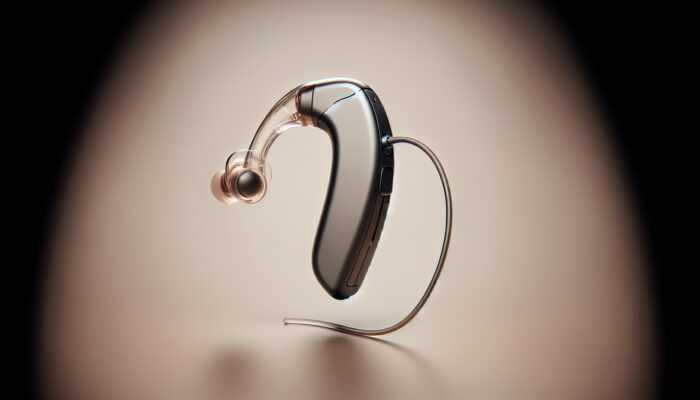
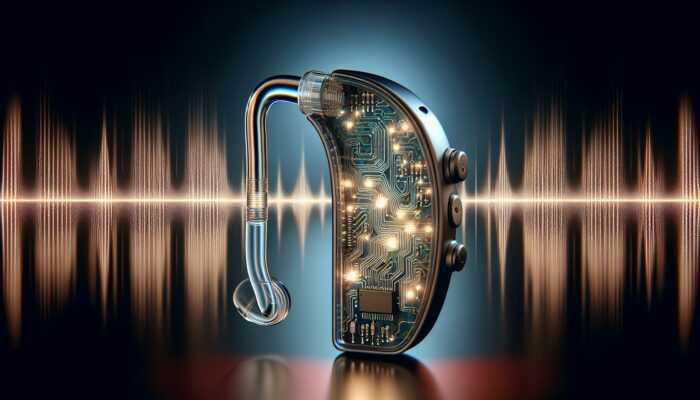
Hearing aids are small electronic devices that amplify sound. They work by picking up sound through a microphone, processing it, and delivering the amplified sound into the ear canal, thereby enhancing hearing for individuals with hearing loss.
How can hearing aids enhance social interactions?
Hearing aids improve sound clarity, allowing users to engage in conversations more effortlessly. This enhanced communication fosters stronger social connections, reduces feelings of isolation, and encourages active participation in social events.
Can hearing aids assist with mental health issues?
Yes, hearing aids can significantly improve mental health by reducing feelings of loneliness and anxiety. Enhanced communication leads to better social interactions, which positively impacts emotional well-being and overall quality of life.
What advantages do hearing aids provide in the workplace?
Hearing aids enhance communication during meetings, boost job satisfaction, and increase opportunities for career advancement. They improve focus and productivity, contributing to a more fulfilling work experience and a positive workplace atmosphere.
How do hearing aids enhance safety and awareness?
Hearing aids improve environmental awareness by amplifying essential sounds, such as alarms and approaching vehicles. This heightened awareness increases personal safety and reduces the risk of accidents, fostering a secure environment for users.
Can hearing aids strengthen family relationships?
Absolutely! Hearing aids facilitate clearer communication with family members, resulting in stronger bonds. They enable users to participate fully in family activities, enhancing connection and understanding among family members.
How do hearing aids facilitate lifelong learning?
Hearing aids allow individuals to engage in educational settings, participate in discussions, and access a variety of learning resources. This accessibility promotes continuous growth and personal development, enriching lives through knowledge and learning.
What impact do hearing aids have on entertainment experiences?
Hearing aids enhance the enjoyment of movies, music, and live performances by improving sound quality and clarity. Users can immerse themselves fully in these experiences, enriching their overall quality of life and enjoyment of the arts.
Are there any recent advancements in hearing aid technology?
Yes! Modern hearing aids come equipped with advanced features such as Bluetooth connectivity, noise reduction, and customizable settings, allowing users to tailor their hearing experience to meet their unique needs and lifestyle.
How can I find the right hearing aid for my specific needs?
Consulting an audiologist is the best way to find the most suitable hearing aid for your needs. They can conduct a thorough hearing assessment and recommend devices that align with your lifestyle and severity of hearing loss.
Explore our world on X!
The post Hearing Aids Enhance Communication and Quality of Life appeared first on The Microsuction Ear Wax Removal Network.
The post Hearing Aids Enhance Communication and Quality of Life appeared first on Healthcare Marketing Service.